Location
Estero, FL
 4.9
4.9
 (797)
Reviews
(797)
Reviews
Location
Estero, FL
Email Us
info@esterobathroomremodeling.com4.9/5  797 Users Rating
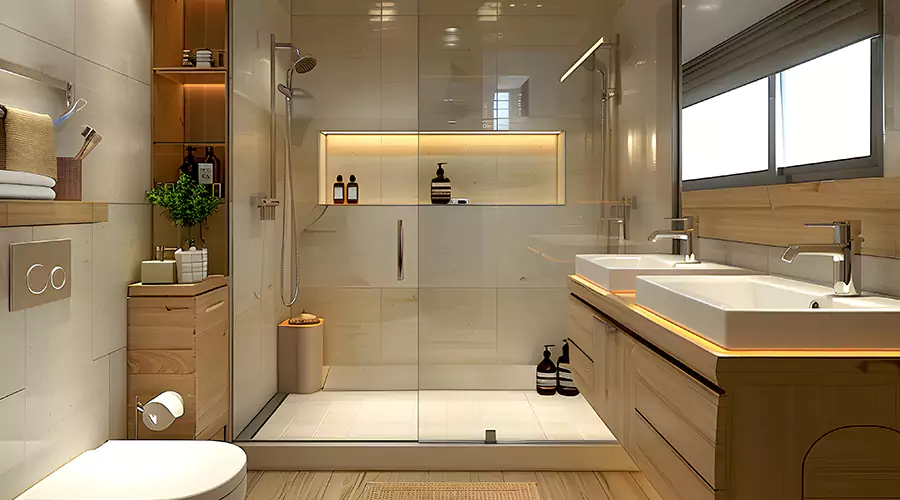
For many homeowners, the classic bathtub has become the elephant in the bathroom. It takes up a massive footprint, gets used maybe a handful of times a year, and can be a literal barrier for anyone with mobility issues. It is no surprise that replacing a bathtub with a walk-in shower is one of the most requested remodeling projects today.
But before you swing the sledgehammer, there is a lot to consider. This is a major renovation that impacts not just your daily routine, but also your home's long-term value. This guide breaks down the true costs, the lifestyle benefits, and the potential drawbacks you need to understand before making a decision.
The first question everyone asks is "How much will this set you back?" The answer depends almost entirely on the materials you choose and the complexity of the plumbing work required.
In 2026, the national average for a tub-to-shower conversion falls between $3,500 and $12,000, with most mid-range projects landing around $6,500. While you might see generic online estimates starting as low as $1,500, those typically refer to very basic, prefabricated kits with no customization or plumbing changes.
Here is a detailed breakdown of where your money goes based on the level of finish you select for a tub to shower conversion.
Understanding the difference between a "budget refresh" and a "luxury build" helps set realistic expectations.
What you get: A prefabricated acrylic or fiberglass shower pan and wall surround.
Materials: Standard chrome fixtures, a single showerhead, and a simple curtain rod.
Labor: Minimal. These kits are designed to be installed quickly, often in one day.
Plumbing: Uses the existing drain location with minimal adjustments.
What you get: Custom tile work for the shower floor and walls, or higher-end prefab panels.
Materials: Upgraded fixtures (brushed nickel or matte black), a sliding glass door enclosure, and a built-in shower niche for storage.
Labor: Skilled tile setters are required, adding 2 to 3 days to the timeline.
Plumbing: Some minor drain relocation to center the shower base is often included.
What you get: A fully custom, curbless entry shower with a frameless heavy glass enclosure.
Materials: Premium large-format porcelain tile or natural stone, a rain shower head plus a handheld wand, built-in bench seating, and body sprays.
Plumbing: Significant work to move the drain to the center of the new shower footprint, which is the single biggest cost driver in a high-end conversion.
To avoid surprises, it helps to understand the individual components of the invoice:
The shift toward showers isn't just a trend; it is driven by real lifestyle improvements.
This is the number one reason for conversion. Stepping over a 15-inch tub wall is a major fall risk for seniors and anyone with balance issues. A low-threshold or curbless walk-in shower significantly reduces this danger, allowing homeowners to age in place safely.
A bulky bathtub can dominate a small bathroom. Replacing it with a clear glass shower enclosure opens up the sightlines, making the entire room feel larger and more open. You gain both actual floor space and the perception of space.
If you are environmentally conscious, a shower is the clear winner. A typical bath uses 35 to 50 gallons of water. In contrast, a 10-minute shower with a modern low-flow showerhead uses as little as 20 gallons. This translates directly to lower water bills.
A dated, builder-grade tub does nothing for a bathroom's appeal. A beautifully tiled walk-in shower with sleek glass instantly elevates the space. When done with mid-range materials, a tub-to-shower conversion can deliver a return on investment (ROI) of 45% to 74%.
No renovation is perfect for everyone. There are some significant trade-offs to consider before committing.
This is the biggest red flag. If you have a single bathroom home, removing the only tub can slash your pool of potential buyers. Families with small children or pet owners absolutely require a bathtub for bathing kids and dogs. Real estate experts advise: One tub minimum keeps your buyer pool intact. Zero tubs can significantly hurt resale value.
For some, a soak in the tub is a form of therapy. While you might not use the tub daily, losing the option to take a bath can be a regret. If you enjoy a long soak after a workout or a stressful day, consider whether you are ready to give that up completely.
What lies behind the tub wall is a mystery until demolition day. In older homes, you might find water-damaged subfloors, mold, or outdated cast-iron pipes that are not up to current code. These discoveries can add thousands of dollars to your final bill.
Even a basic conversion is a significant expense. If you are on a tight budget, a tub-to-shower conversion may not be the most cost-effective way to refresh a bathroom compared to simply reglazing the existing tub or updating the vanity.
Before you call a contractor, answer these five questions honestly. Your answers will reveal the best path forward.
A tub-to-shower conversion is one of the most effective ways to modernize a bathroom, improve safety, and create a more spacious feel. For most multi-bathroom homes, it is a sound investment that you will enjoy every single day.
However, the decision hinges entirely on your home's specific bathroom count and your long-term plans. By carefully weighing the costs against the lifestyle benefits outlined in this guide, you can move forward with confidence knowing you have made the right call for your home and your family. If you are ready to explore the possibilities for your space, our team is here to provide a detailed, no-obligation consultation tailored to your specific layout and budget.
09
Apr, 2026
Tub-to-Shower Conversion: A 2026 Guide to Costs, Pros, and Cons
For many homeowners, the classic bathtub has become the elephant in the bathroom. It takes up a massive footprint, gets used maybe a handful of times a year, and can be a literal barrier for anyone with mobility issues. It is no surprise that replacing a bathtub with a walk-in shower is one of the most requested remodeling projects today.